


-

Add: HeBei ShengShi HongBang Cellulose Technology CO.,LTD.
-

Email
13180486930@163.com -

CONTACT US
+86 13180486930
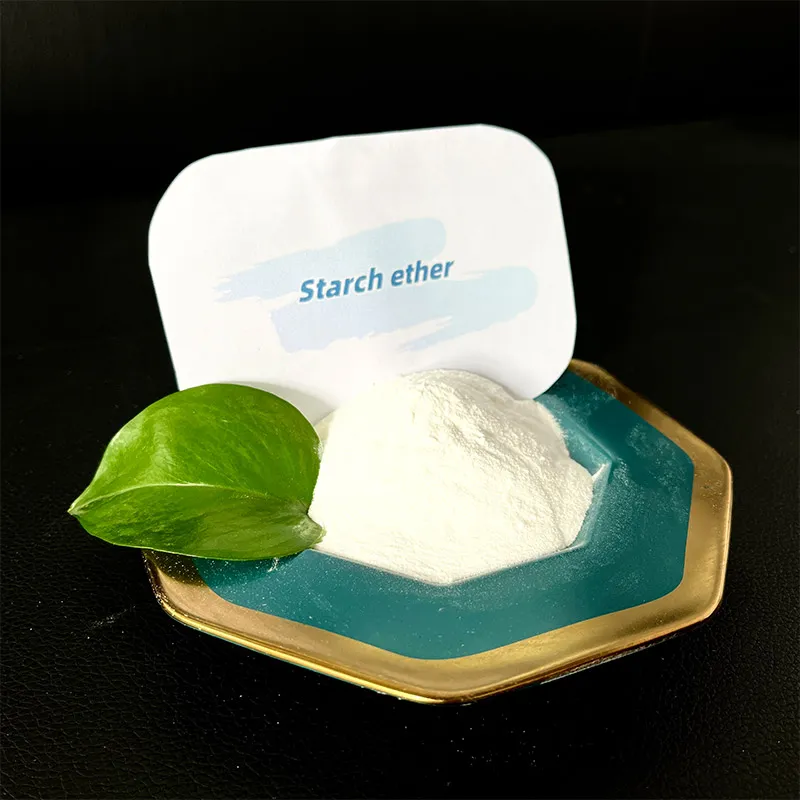
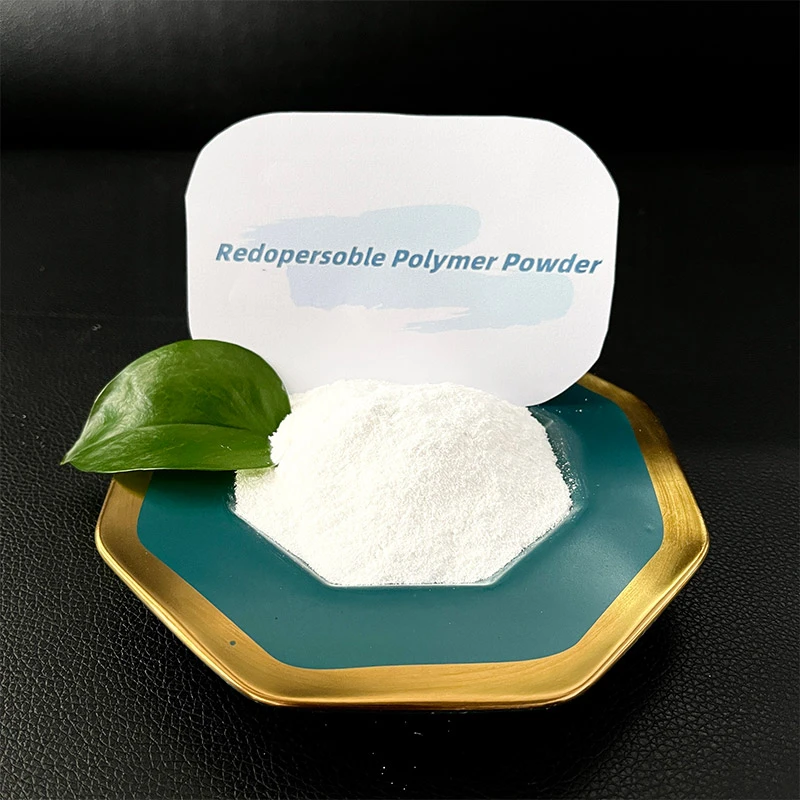
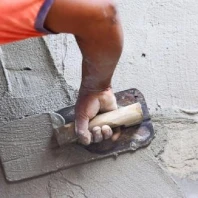



Polymer powder is a key ingredient in many industries, providing critical properties to products in construction, adhesives, coatings, and more. With its wide range of applications, polymer powder enhances the performance, durability, and flexibility of finished products. Available in various forms, polymer powder s can be tailored to meet the specific needs of different applications, making them a versatile choice for manufacturers worldwide. Whether you're working in construction, paints, or textiles, polymer powder offers the ideal solution for improving your products’ functionality. Explore Our Range of Colored Polymer Powder If you need vibrant, long-lasting colors in your products, colored polymer powder is the way to go. Whether you're producing construction materials, decorative coatings, or consumer goods, colored polymer powder offers an efficient way to introduce rich, stable colors into your products. Our premium colored polymer powder is designed to maintain its brightness and consistency, ensuring your products stand out. With a wide selection of shades, you can achieve the exact color you need while maintaining high quality and performance. The Benefits of Redispersible Polymer Powder Redispersible polymer powder is a game-changer in many industrial applications. Unlike traditional resins, redispersible polymer powder can be re-dispersed in water to create a solution, which offers greater convenience and efficiency for various processes. Widely used in adhesives, tile grout, and plaster, redispersible polymer powder enhances bonding strength, flexibility, and durability. This type of polymer powder is particularly valued in the construction and building materials sectors, providing superior performance while reducing transportation and storage costs. Discover the many benefits of using redispersible polymer powder in your formulations today. What Influences Polymer Powder Price? When considering polymer powder price , it’s important to understand the factors that affect the cost. The polymer powder price can vary depending on the type of polymer used, the quantity purchased, and the specific application for which the powder is intended. High-performance polymer powder may be priced higher due to its specialized formulations, while larger orders typically reduce the cost per unit. Additionally, polymer powder price can also depend on the presence of additives, colorants, and whether the polymer powder is customized for particular applications. To ensure you're getting the best value for your needs, always consider both the performance and the cost-effectiveness of the polymer powder price . Why Choose Our Polymer Powders for Your Business? Our polymer powder products are crafted with the highest standards of quality and performance, ensuring that your manufacturing processes run smoothly. From colored polymer powder to redispersible polymer powder , we offer a comprehensive selection that suits a wide variety of industries. Our polymer powder solutions are designed to enhance the quality of your final products, increase production efficiency, and offer cost-effective solutions for your business. With competitive polymer powder price s, we guarantee the best value for your investment. Whether you need a specialized formula or a standard polymer powder , our products are the perfect addition to your production line. Polymer Powders FAQs What is polymer powder? Polymer powder is a fine, dry material made from polymers, typically used in various industrial applications to improve the properties of products like adhesives, coatings, and construction materials. It is valued for its ability to enhance flexibility, strength, and durability in the final product. Polymer powder can come in different types, such as colored polymer powder or redispersible polymer powder , each serving specific functions depending on the industry. What is colored polymer powder used for? Colored polymer powder is primarily used to add vibrant colors to products such as construction materials, coatings, and consumer goods. The color pigments are stable and long-lasting, ensuring that the final product maintains its color over time, even under challenging conditions. It’s ideal for applications where both color and performance are important, making it perfect for industries like construction, automotive, and packaging. What is redispersible polymer powder and how is it used? Redispersible polymer powder is a special type of polymer powder that can be re-dispersed in water, forming a solution that can be easily applied in a variety of industrial processes. It’s commonly used in adhesives, tile grouts, and plaster, where it improves bonding strength, flexibility, and water resistance. The ability to re-dispense the polymer powder in water makes it a more convenient and cost-effective solution for many manufacturing processes. How does the polymer powder price vary? The polymer powder price depends on several factors, including the type of polymer used, the quantity purchased, and whether any special additives or colors are involved. Specialty redispersible polymer powder sand colored polymer powder s often come at a higher price due to their advanced formulations. Additionally, larger volume purchases can reduce the polymer powder price per unit, offering better cost-effectiveness for bulk orders. Why should I choose your polymer powders? Our polymer powder sare craftedto meet the highest standards of quality, ensuring that your products perform at their best. We offer a wide selection of colored polymer powder s and redispersible polymer powder s, all designed to enhance the durability, flexibility, and performance of your products. Our polymer powder price is competitive, offering you the best value for your investment. Whether you’re in construction, coatings, or any other industry, we have the perfect polymer powder solution for you.
- 40000tons

Production
- 20+years

Experience
- 5000+㎡

Acreage

-

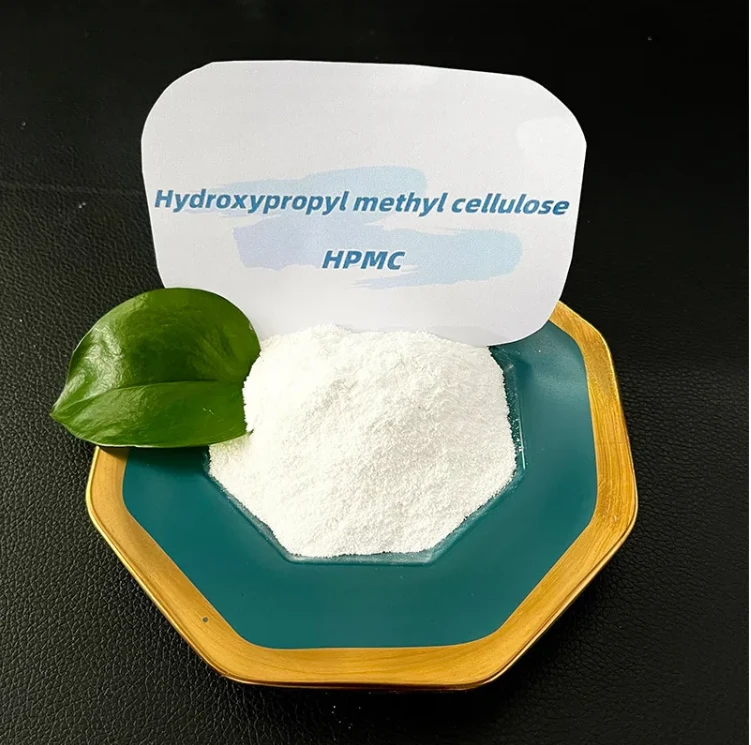
In the ever-evolving construction industry, materials that enhance performance, longevity, and efficiency are in high demand. Hydroxypropyl methylcellulose , a premium additive, has cemented its place as a key ingredient in the formulation of mortar, coatings, and wall putty. Its exceptional qualities impact everything from application ease to durability, making it indispensable for professionals who value precision and quality. Hydroxypropyl Methylcellulose: How it Affects Mortar and Coatings In construction projects, every detail matters, including the sequence in which additives like hydroxypropyl methylcellulose are introduced. The order of addition plays a crucial role in determining the consistency, workability, and performance of mortar and coatings. When hydroxypropyl methylcellulose is added directly to water before mixing with other components, it dissolves efficiently, forming a uniform solution. This step ensures that the additive can fully develop its water-retention properties, resulting in consistent viscosity and enhanced ease of application. Conversely, if added too late, its dispersion may become uneven, affecting the overall quality of the mixture. Builders who buy hydroxypropyl methylcellulose should follow precise mixing instructions to maximize its benefits. Correctly incorporating this additive into coatings improves spreadability and adhesion, ensuring a smooth application and long-lasting results. Enhancing Durability and Anti-Aging Properties with Hydroxypropyl Methylcellulose Durability is a fundamental requirement for building materials, and hydroxypropyl methylcellulose plays a pivotal role in achieving this. By enhancing water retention during the curing process, this additive prevents premature drying, reducing the risk of cracking and structural flaws. This controlled hydration significantly boosts the long-term performance of materials like mortar, coatings, and wall putty. In terms of anti-aging properties, hydroxypropyl methylcellulose acts as a shield, protecting materials from the damaging effects of environmental factors such as moisture, temperature changes, and UV radiation. Materials treated with hydroxypropyl methylcellulose exhibit improved elasticity, ensuring they can withstand daily wear and tear without losing integrity. When applied to wall putty, for example, this additive prevents shrinkage while maintaining a smooth, crack-free surface. Builders seeking enhanced durability and aesthetic appeal should consider sourcing this innovative material from a trusted hydroxypropylmethylcellulose supplier . Behavior of Hydroxypropyl Methylcellulose in Building Materials The adaptability of hydroxypropyl methylcellulose is one of its standout features, allowing it to blend seamlessly with diverse formulations. Its water-retention capabilities improve consistency, making it easier to achieve a flawless finish with minimal effort. Additionally, hydroxypropyl methylcellulose in wall putty significantly enhances bonding strength, ensuring that the applied surface remains intact and durable over time. Under wet conditions, hydroxypropyl methylcellulose provides remarkable stability. It prevents material degradation, supports long-term adhesion, and facilitates uniform drying. This makes it ideal for construction projects in humid environments or those subject to heavy rainfall. Furthermore, its compatibility with various raw materials makes it an essential choice for manufacturers looking to improve product quality across multiple applications. Trusted Hydroxypropylmethylcellulose Supplier for Reliable Performance The benefits of hydroxypropyl methylcellulose depend not only on its unique properties but also on the quality of the product itself. For construction professionals and manufacturers aiming to achieve superior results, sourcing this material from a trusted hydroxypropylmethylcellulose supplier is essential. Our company provides premium-grade hydroxypropyl methylcellulose , ensuring consistency, reliability, and unmatched performance in every batch. Whether you’re formulating advanced coatings, preparing wall putty, or developing high-performance mortar, our product delivers measurable benefits across all applications. When you buy hydroxypropyl methylcellulose from us, you’re not just purchasing an additive—you’re investing in quality and long-lasting results. With our industry expertise and commitment to excellence, we’ve become a go-to supplier for construction professionals worldwide. Hydroxypropyl Methylcellulose: Building the Foundations of Excellence As modern construction continues to push the boundaries of performance and sustainability, hydroxypropyl methylcellulose remains a cornerstone for success. From improving the workability and durability of materials to offering unmatched resistance against aging and environmental damage, its role is pivotal in achieving next-level construction results. Whether you’re a builder aiming to enhance the durability of your projects or a manufacturer striving for innovation, incorporating hydroxypropyl methylcellulose is a step toward redefining quality. Partner with a trusted hydroxypropylmethylcellulose supplier today and experience the transformative power of this remarkable additive. Choose the right product. Choose the best partner. Choose hydroxypropyl methylcellulose .
-
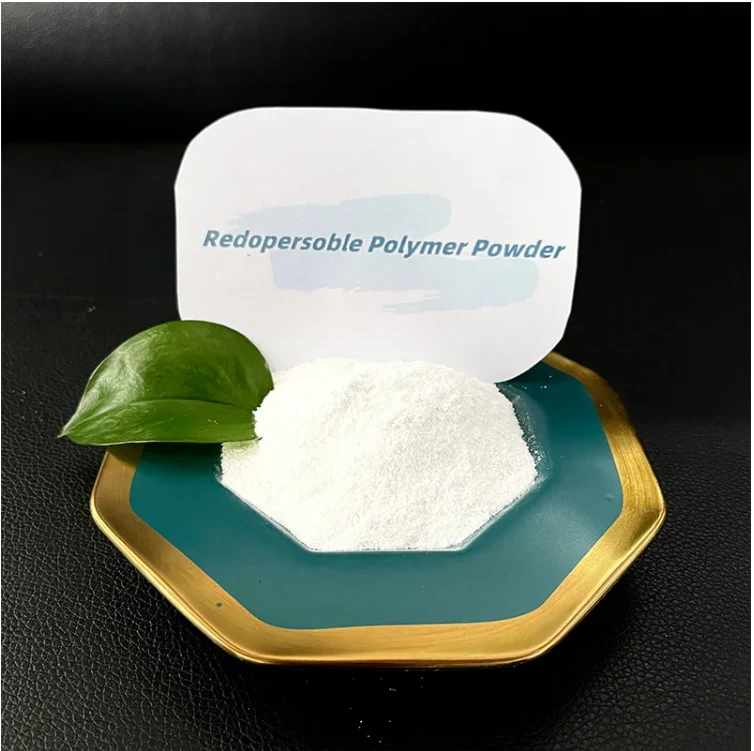
In the modern construction industry, the performance of building materials is critical to ensuring durability and reliability. One such material that has gained significant attention is redispersible polymer powder . This powdered additive is a versatile ingredient used in various construction applications, from adhesives to plaster and mortar. Redispersible polymer powder is created by drying a polymer emulsion into a fine powder, which can then be mixed with water to form a stable dispersion again, enabling superior bonding and flexibility. The key advantage of redispersible polymer powder is its ability to improve the mechanical properties of construction materials. When added to mortar, cement, or adhesives, it enhances their adhesion, workability, and flexibility, leading to longer-lasting and more durable results. Whether you are working on indoor wall plaster, exterior coatings, or tile adhesives, redispersible polymer powder is a vital ingredient that enhances the overall performance of construction materials. This article will explore the benefits of redispersible polymer powder , the role of vinyl acetate ethylene copolymer powder , polylactic acid powder , and redispersible latex powder , and how these products contribute to the success of modern building materials. The Advantages of Vinyl Acetate Ethylene Copolymer Powder in Construction Vinyl acetate ethylene copolymer powder is a powerful material that plays a crucial role in the performance of construction products. This polymer is created by combining vinyl acetate with ethylene, which results in a powder that offers superior adhesion, flexibility, and water resistance. Vinyl acetate ethylene copolymer powder is particularly valuable in the production of tile adhesives, cement-based mortars, and exterior coatings. One of the primary advantages of using vinyl acetate ethylene copolymer powder in construction applications is its ability to improve the workability of materials. It enhances the spreadability of adhesives and coatings, making them easier to apply without compromising their strength. Additionally, vinyl acetate ethylene copolymer powder helps increase the bond strength of adhesives, ensuring a long-lasting hold even in challenging environmental conditions. Another benefit is its excellent water resistance. This makes vinyl acetate ethylene copolymer powder a preferred choice for applications that require materials to withstand moisture, such as in wet areas or exterior surfaces. Its ability to improve the flexibility and crack resistance of construction materials also ensures that products remain durable and stable over time, even in areas with temperature fluctuations. Polylactic Acid Powder: A Sustainable Solution for Construction and Packaging Polylactic acid powder , or PLA powder, is a biodegradable polymer that is rapidly gaining traction in various industries, including construction and packaging. Derived from renewable resources such as cornstarch or sugarcane, polylactic acid powder offers an eco-friendly alternative to traditional plastic materials. In construction, polylactic acid powder is being used as a binder in composite materials, insulation, and other applications that require lightweight yet durable properties. One of the key benefits of polylactic acid powder is its environmental friendliness. As a renewable and biodegradable material, polylactic acid powder significantly reduces the carbon footprint of construction products. This is especially important as the construction industry moves towards more sustainable practices and looks for ways to reduce its impact on the environment. In addition to its eco-friendly properties, polylactic acid powder offers impressive mechanical strength and versatility. It can be used in combination with other materials like cellulose, minerals, and polymers to create high-performance building materials that are both strong and lightweight. Polylactic acid powder is also an excellent material for 3D printing applications, enabling the creation of complex and custom designs for building components and decorative elements. As demand for sustainable construction practices increases, polylactic acid powder is likely to play an even larger role in the industry. Redispersible Latex Powder: Improving Adhesion and Durability Redispersible latex powder is a key ingredient used in the production of a wide range of construction materials. Similar to redispersible polymer powder , redispersible latex powder is a dry powder that, when mixed with water, forms a latex dispersion that significantly improves the properties of building materials. Redispersible latex powder is often used in cement-based products such as mortar, plaster, and adhesives, where it provides superior adhesion, flexibility, and water resistance. The use of redispersible latex powder is particularly beneficial in applications where increased bond strength is required. It helps improve the adhesive properties of tile adhesives, wall plasters, and other cementitious materials, ensuring that they adhere strongly to substrates without compromising the material's flexibility. This flexibility is crucial in preventing cracks from forming as the building material expands and contracts due to temperature fluctuations. Combining Polymer Powders for Optimal Performance in Construction The combination of various polymer powders, such as redispersible polymer powder , vinyl acetate ethylene copolymer powder , polylactic acid powder , and redispersible latex powder , provides a comprehensive solution for improving the performance of construction materials. Each of these polymer powders has unique properties that, when combined, can offer optimal results in terms of adhesion, flexibility, durability, and sustainability. Similarly, adding redispersible latex powder to a cement-based product can enhance water resistance, ensuring that the material remains stable even in wet environments. By understanding the unique properties of each polymer powder and combining them strategically, manufacturers can create high-performance construction products that meet the needs of modern building standards. R edispersible polymer powder , along with other polymer-based products like vinyl acetate ethylene copolymer powder , polylactic acid powder , and redispersible latex powder , plays a vital role in enhancing the performance and sustainability of construction materials. These additives improve the workability, flexibility, adhesion, and water resistance of cement-based products, making them ideal for a wide range of applications, from tiles and adhesives to plasters and coatings. As the construction industry continues to evolve and prioritize sustainability, the use of these polymer powders will only become more important. Whether you're looking to improve the durability of your building materials, create more eco-friendly products, or enhance the performance of your construction projects, incorporating redispersible polymer powder and other polymer-based additives is a smart investment that will lead to superior results.
advantages
-

200000 Viscosities
Excellent product
We can produce pure products up to 200,000 viscosities
-

40000 tons
High yield
We don’t stop production all year round, and the annual output can reach 40,000 tons
-

24 hours
Quality service
We provide 24-hours online reception service, welcome to consult at any time
———— Inquiry Form
Schedule A services


- polypropylene_fibre_concrete
Oct . 25, 2025
When evaluating dry eye treatment options, patients often consider the benefits and differences betw -
 hydroxypropyl_methylcellulose_k4m
Oct . 25, 2025
In the ever-evolving landscape of industrial and pharmaceutical applications, understanding the dist - hpmc_viscosity
Oct . 25, 2025
The world of hair care is evolving, with consumers seeking products that not only meet aesthetic des


